

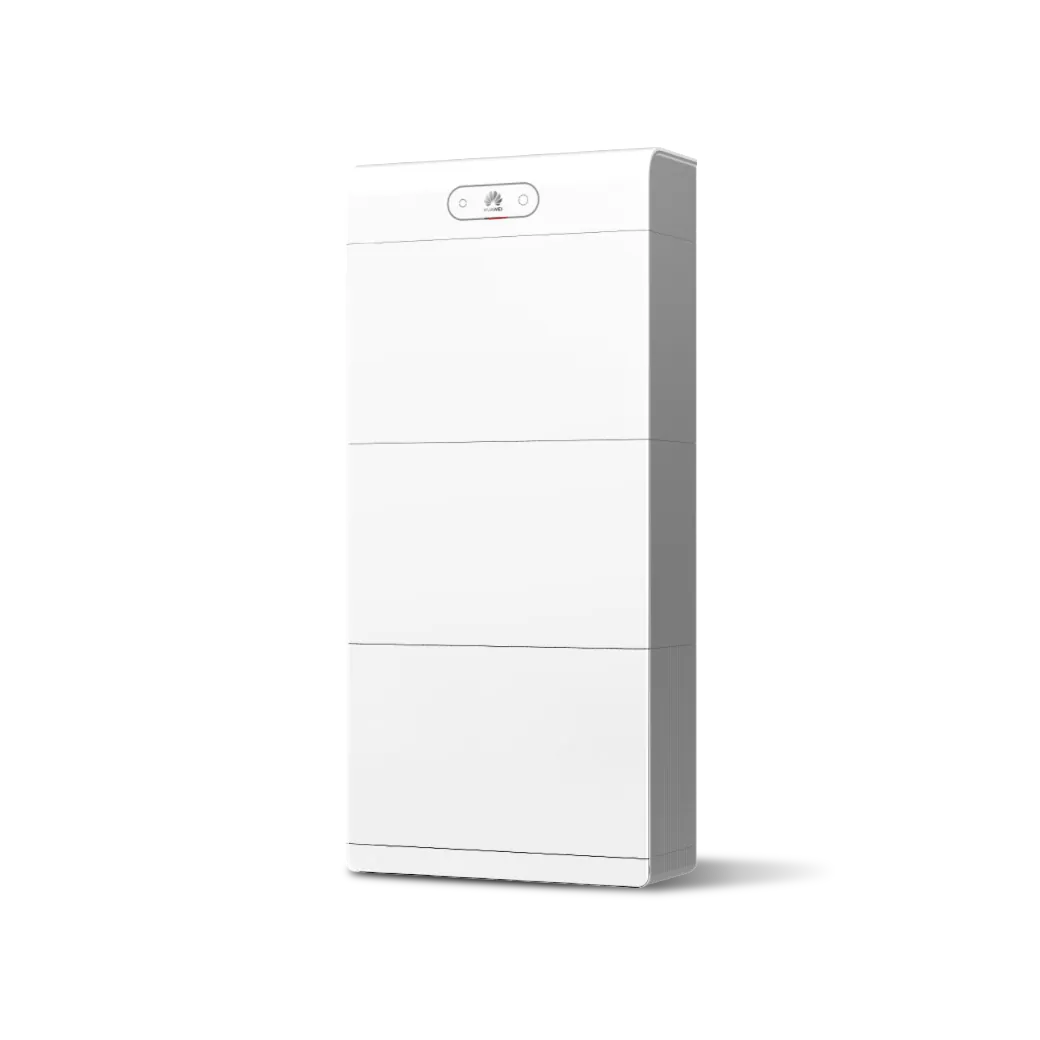
Huawei
LUNA2000-S1
A modular home battery that expands one unit at a time. It pairs with Huawei SUN2000 inverters and the FusionSolar app.
- Capacity
- 5 to 21 kWh
- Type
- high voltage
Keep the day's energy for the evening, have power when the grid goes down and get the most out of net billing. For new or existing solar systems.
The energy you use yourself is worth about 2–3 times more than the energy you sell.
With net billing, energy you use while it's being generated saves you the full electricity price (0.16 €/kWh in our example). Surplus energy that goes to the grid is paid at a much lower rate (about 0.06 €/kWh).
The battery charges from the midday surplus and discharges in the evening, when your home uses more. That way more of your own output turns into savings.
New battery solutions are awaiting approval, and a new storage subsidy programme is expected. Register your interest to be the first to hear.
Output of about 9,000 kWh a year and household consumption of 7,000 kWh, much of it in the evening.
| Without battery: self-consumption ≈ 35% | 3,150 kWh × 0.16 + 5,850 kWh × 0.06 = 855 € |
| With 10 kWh battery: self-consumption ≈ 60% | 5,400 kWh × 0.16 + 3,600 kWh × 0.06 = 1,080 € |
| Extra benefit from the battery | 225 € / year |
A battery pays off most when there's evening consumption, a heat pump or an electric car. It also gives you power during outages, which you can't measure in euros.
Assumptions used in the examples: electricity price 0.16 €/kWh, surplus payment 0.06 €/kWh, heating oil 1.15 €/litre, Athens. Figures are indicative. Our study works out your own numbers.
We choose the battery and inverter together, because they must be compatible.
A modular home battery that expands one unit at a time. It pairs with Huawei SUN2000 inverters and the FusionSolar app.
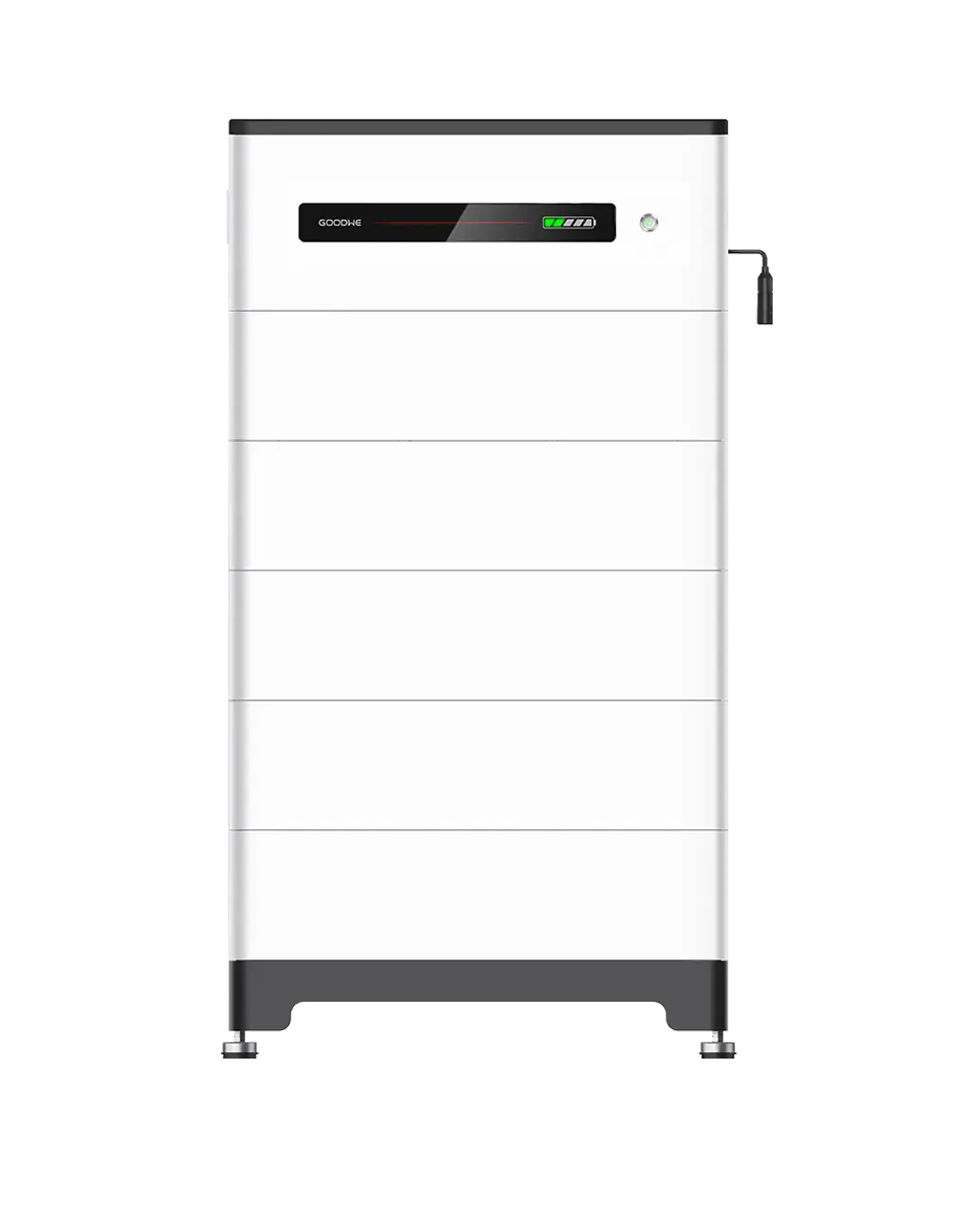
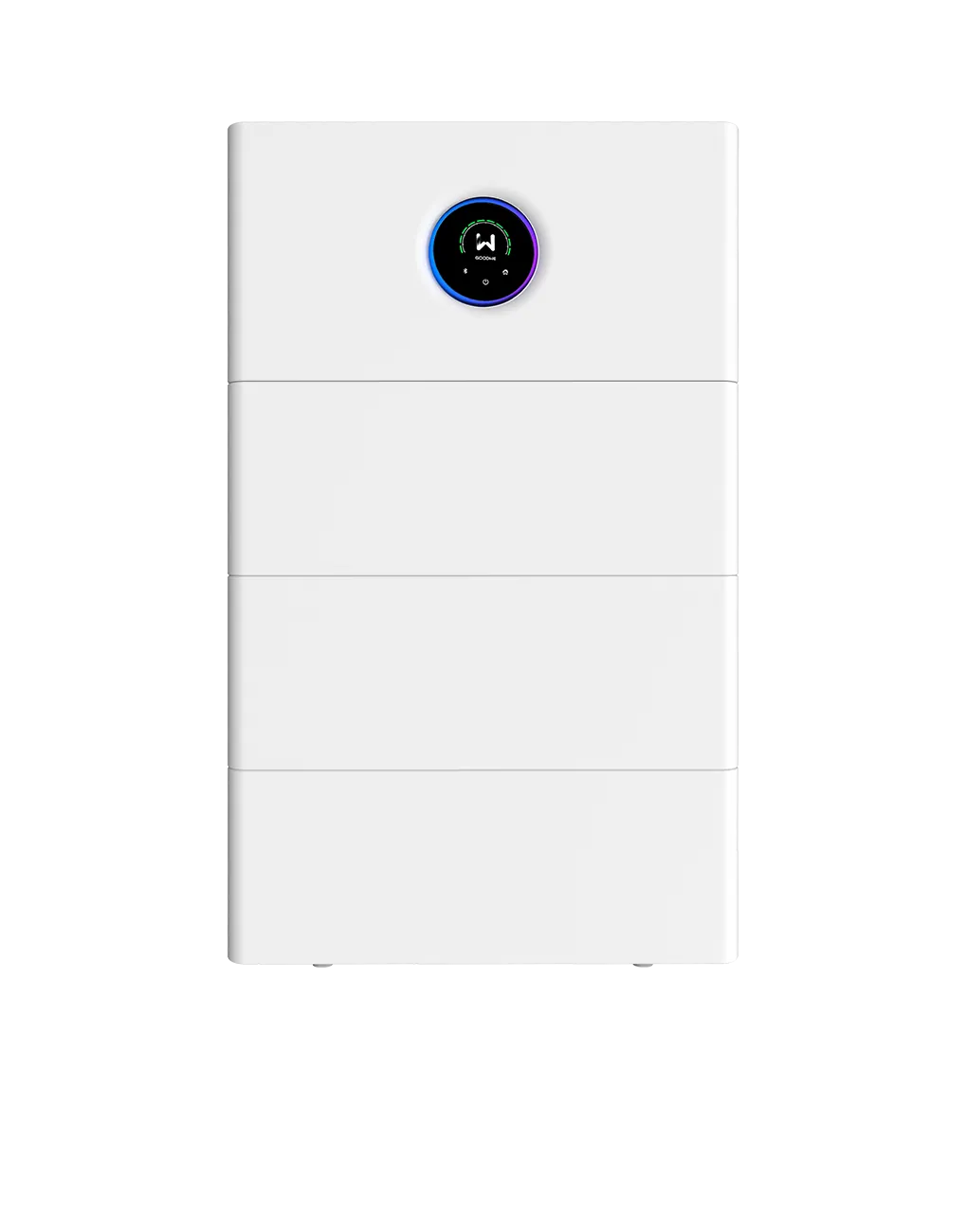
A stackable high-voltage battery for GoodWe ET and EH hybrid inverters.
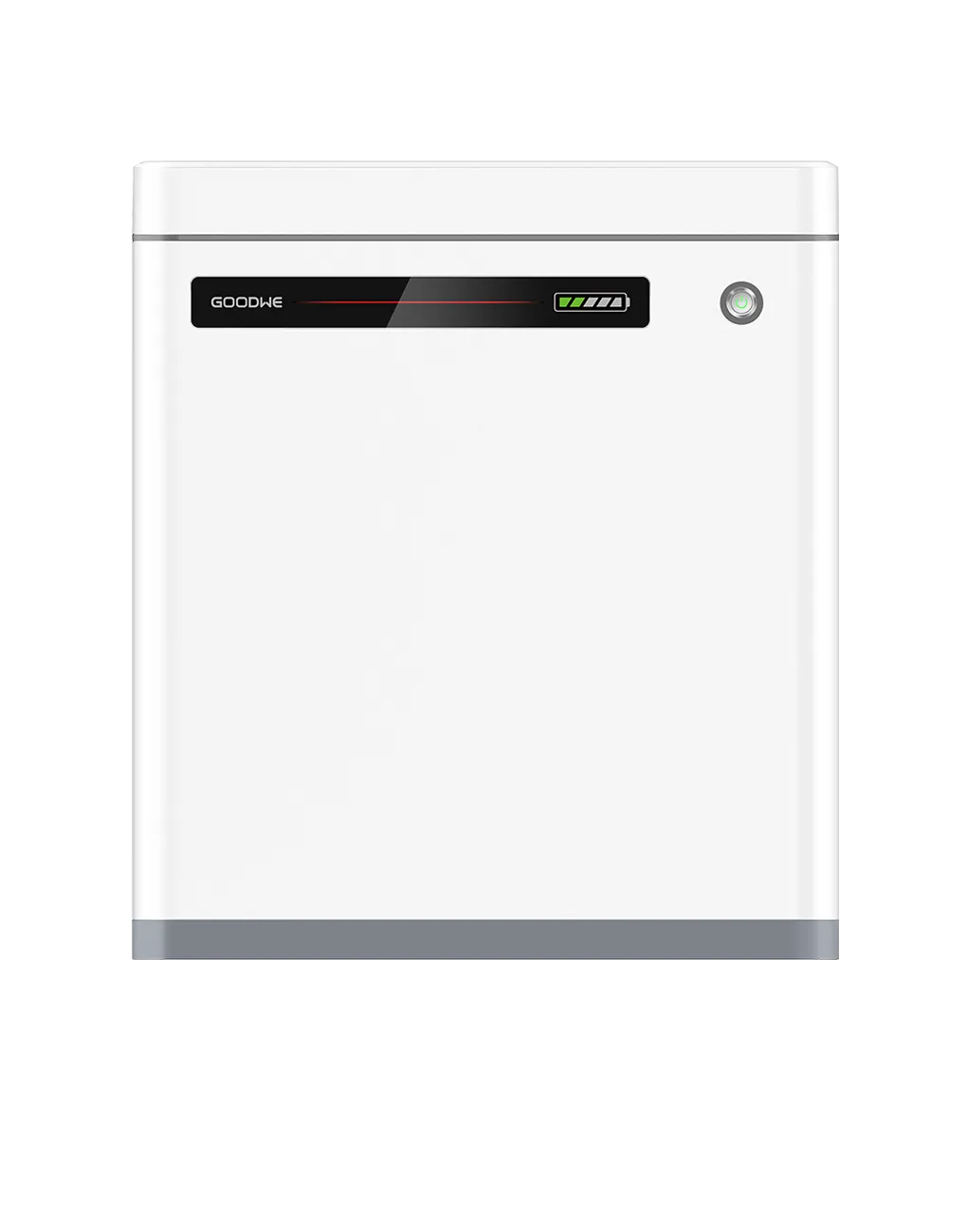
A low-voltage battery for single-phase systems and for adding storage to existing solar.
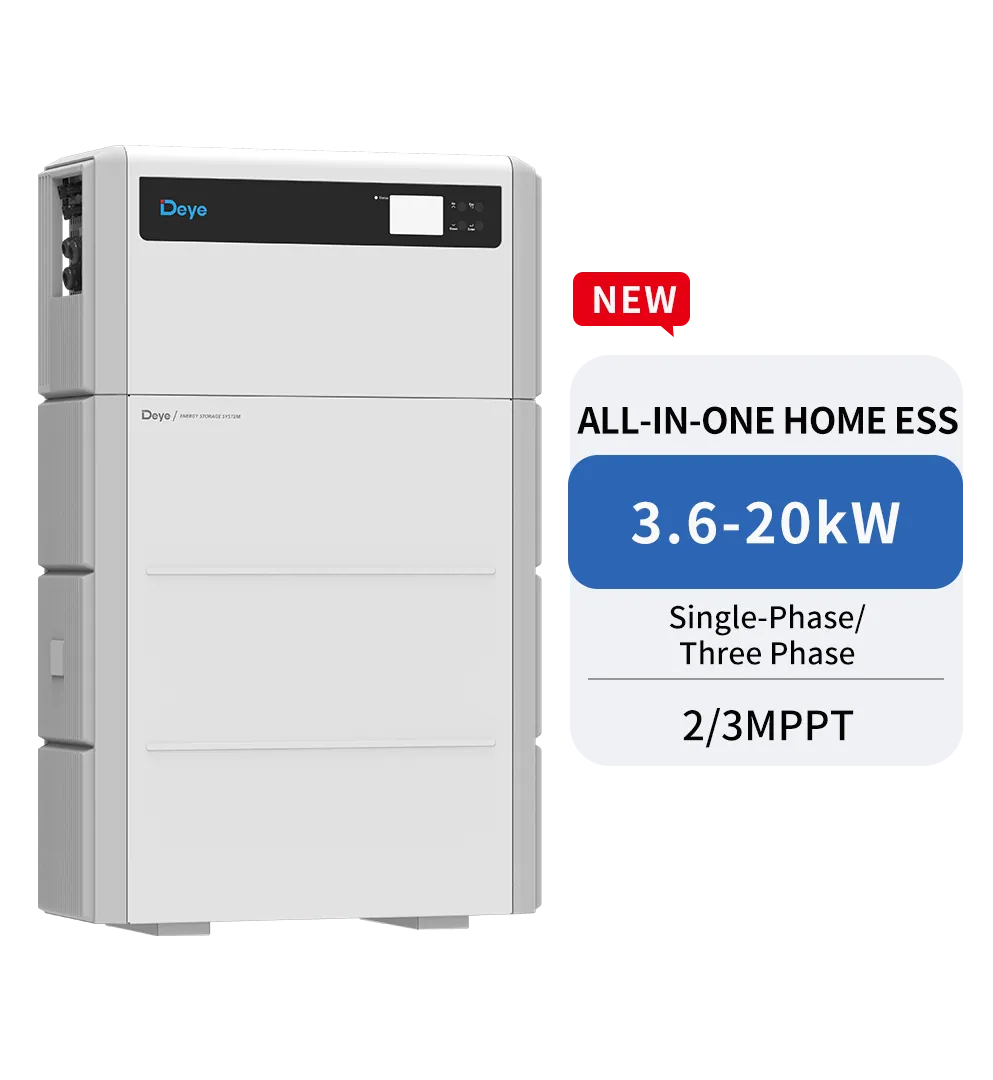
Inverter and batteries in a single stack, for a quick and tidy installation.
The compact solution for balconies and flats, with a 1.92 kWh battery that expands to 9.6 kWh.
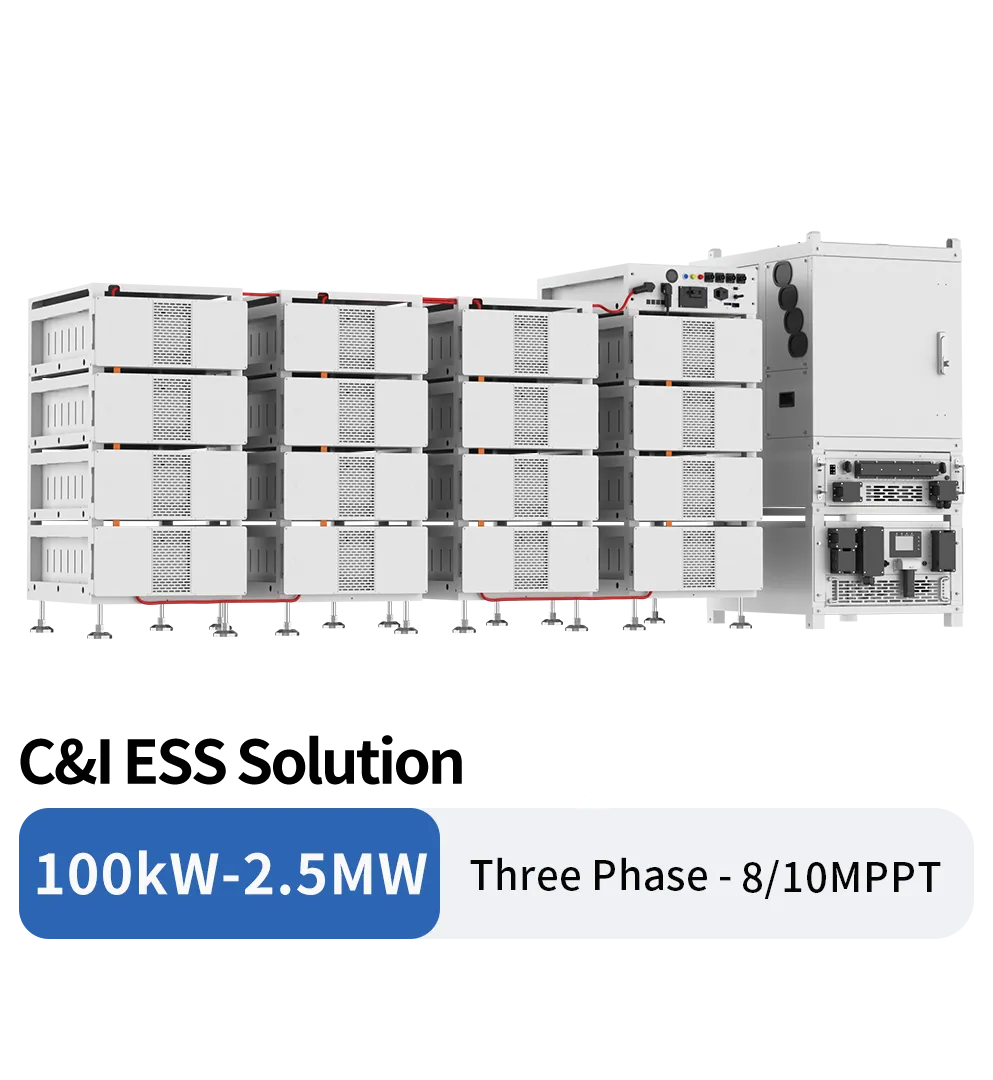
Modular commercial storage systems for industry, hotels and zero feed-in installations.
Usually as much as your night-time consumption, from sunset to morning. For a typical house, 5–10 kWh. We work it out from your bill.
Yes, if the system has a backup function. We decide together which circuits stay on (fridge, lighting, router).
LFP batteries usually come with a 10-year manufacturer's warranty and last thousands of charge cycles.
It depends on when you use power. If most of your use is in the evening, or you have an electric car or a heat pump, it's worth more. We show you the numbers before you decide.
New battery solutions are awaiting approval. Register your interest and we'll keep you posted on availability and subsidies.
Tell us about your property and your consumption. One of our engineers will call you to arrange a site survey and a price, with no obligation.